San Diego - Chula Vista - Oceanside
Call Now:  (619) 787-3443 Open Now

Pipe Relining in San Diego for Sewer and Drain Lines


Trenchless pipe relining for a damaged sewer and drain line in San Diego

Trenchless Pipe Relining in San Diego

A damaged sewer pipe does not automatically mean the entire line has to be dug out and replaced. Pipe relining gives San Diego property owners another option when an existing sewer or drain line is cracked, corroded, worn at the joints, or allowing roots to enter but still has enough structure to support a new interior liner. The repair is completed from inside the existing pipe, which can substantially reduce the amount of concrete, landscaping, flooring, or hardscape that has to be disturbed.

At California Plumbing, pipe relining is part of a broader approach to sewer and drain repair. The goal is not to recommend trenchless pipe lining for every damaged sewer. We inspect the actual condition of the line first so we can determine whether relining, a targeted repair, or sewer line replacement makes the most sense for the property.

A Trenchless Sewer Repair Option for the Right Pipe

Pipe relining creates a new interior surface inside the existing sewer or drain line. A resin-saturated liner is positioned against the prepared pipe wall and cured in place. Once hardened, the liner forms a continuous new surface through the repaired section. This can cover many cracks, worn joints, small openings, and corroded areas without removing the full underground pipe.

Relining works because the original pipe remains in place as the host structure. That is also why the existing line has to be inspected carefully. A pipe that has completely collapsed, developed a major belly, shifted badly at a joint, or lost too much structural integrity may need a different form of sewer line repair.

What Pipe Relining Can Address

This type of trenchless sewer repair can be appropriate for several common forms of pipe deterioration. Older cast iron drain lines can develop heavy internal scaling and corrosion. Clay sewer pipe may develop cracks or openings at joints where roots repeatedly enter. Other pipes can develop small fractures, leaking connections, or rough interior surfaces that catch debris and contribute to recurring backups.

Older Residential Sewer Lines

Older San Diego homes may contain cast iron or clay sewer lines that have been in service for decades. Corrosion, scaling, worn joints, and root intrusion can gradually turn into recurring drain problems even when the line still has enough structure for trenchless pipe relining.

Cracks, Roots, and Worn Pipe Joints

A continuous liner can cover qualifying cracks and old joints after roots and debris have been removed. This can make relining a useful option when repeated sewer cleaning restores flow but does not solve the damaged opening that allows the problem to return.

Commercial and Multi-Unit Drain Lines

Commercial buildings, apartment properties, and shared drain systems can benefit from trenchless repair when excavation would interfere with floors, walkways, parking areas, tenants, or normal business operations.

Recurring Drain Problems Can Point to Damage in the Pipe

Repeated drain cleaning is sometimes a sign that the blockage is only part of the problem. If the same sewer or drain line keeps clogging after it has been cleared, there may be a structural issue farther down the line. Root intrusion, corrosion, scaling, cracked joints, and rough pipe walls can all create places where waste and debris continue to collect.

Warning signs can include recurring whole-house backups, frequent main-line stoppages, sewage appearing at a cleanout, several slow drains at the same time, or roots repeatedly being removed from the same section of pipe. These symptoms do not prove that relining is required, but they are good reasons to inspect the line instead of continuing to treat every blockage as an isolated drain cleaning problem.

When buildup is blocking the camera view or preventing the liner from being installed correctly, the sewer line may need to be cleaned before relining. Depending on what is inside the pipe, that preparation can involve root removal, mechanical descaling, drain cleaning, or hydro jetting. The goal is to expose the actual pipe wall, remove loose material, and create a clean path for accurate measurement and installation.

Why San Diego Properties Often Benefit From a Trenchless Option

Sewer lines in San Diego can run below driveways, patios, concrete walkways, garages, landscaped yards, commercial parking areas, and finished portions of a property. Excavating those areas can turn a pipe repair into a much larger restoration project. When the existing line qualifies for relining, access can often be limited to existing cleanouts or smaller access locations instead of opening a trench along the entire sewer route.

That is particularly useful for established properties where the surface above the line may be worth preserving. Homes in North Park, Hillcrest, La Mesa, Chula Vista, Oceanside, and other established communities can have plumbing that has been in service for decades while the property around it has been remodeled or improved. Commercial buildings can face the same problem when a sewer runs below finished floors, walkways, kitchens, courtyards, or parking areas.

Choosing between relining and replacement should come down to the condition of the pipe, access, the location of the damage, and what is above the line. The right drain or sewer repair is the one that addresses the actual problem without creating unnecessary excavation.
How Pipe Relining Works in a San Diego Sewer or Drain Line

Successful pipe relining involves more than putting a liner into an old sewer pipe. The existing drain or sewer line has to be inspected, cleaned, measured, prepared, lined, cured, and checked again afterward. Each stage matters because the liner depends on the condition and preparation of the original host pipe.

The equipment and curing method can vary depending on pipe size, material, access, length, and site conditions, but a typical trenchless pipe relining project follows four important stages.

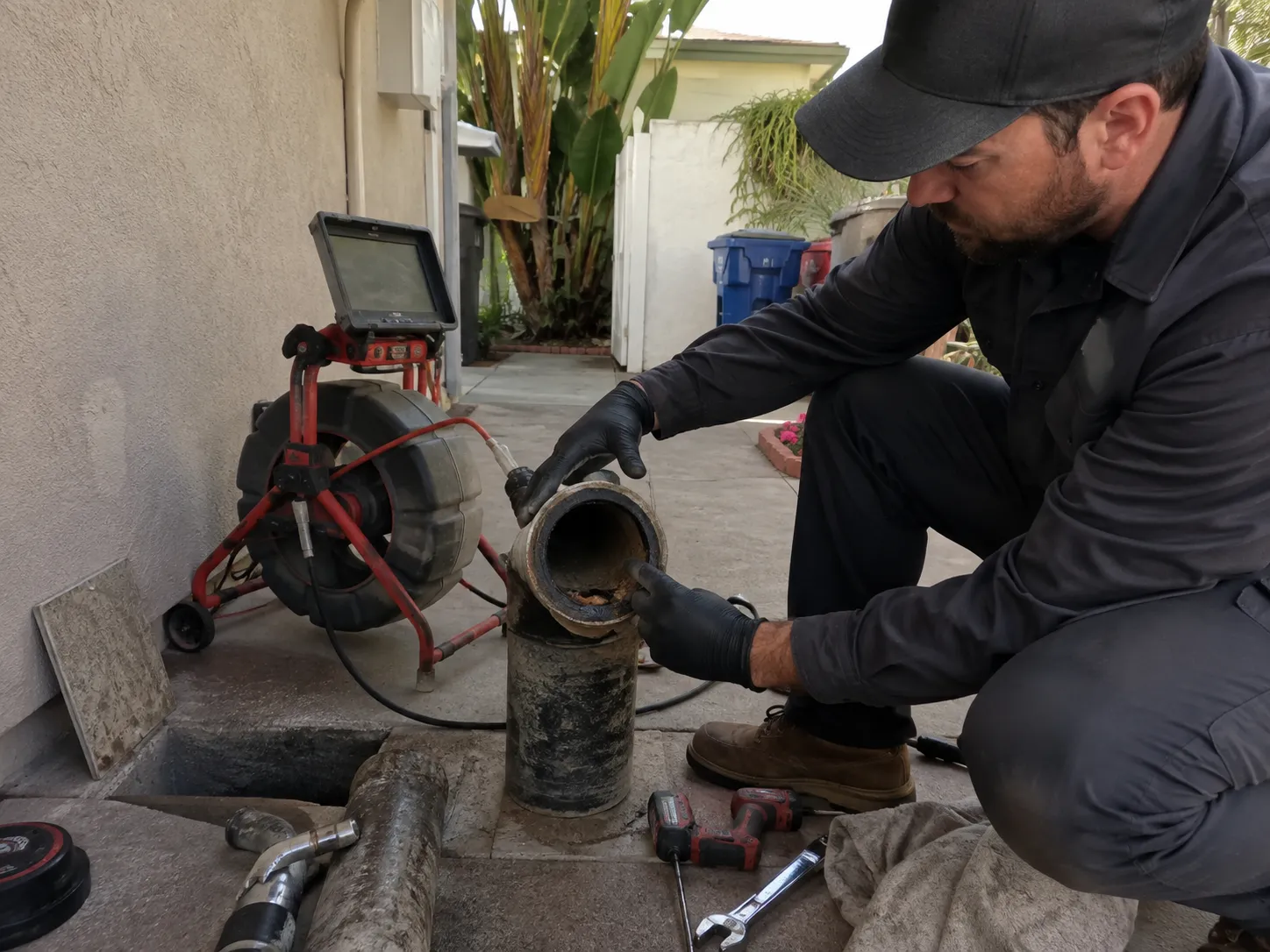
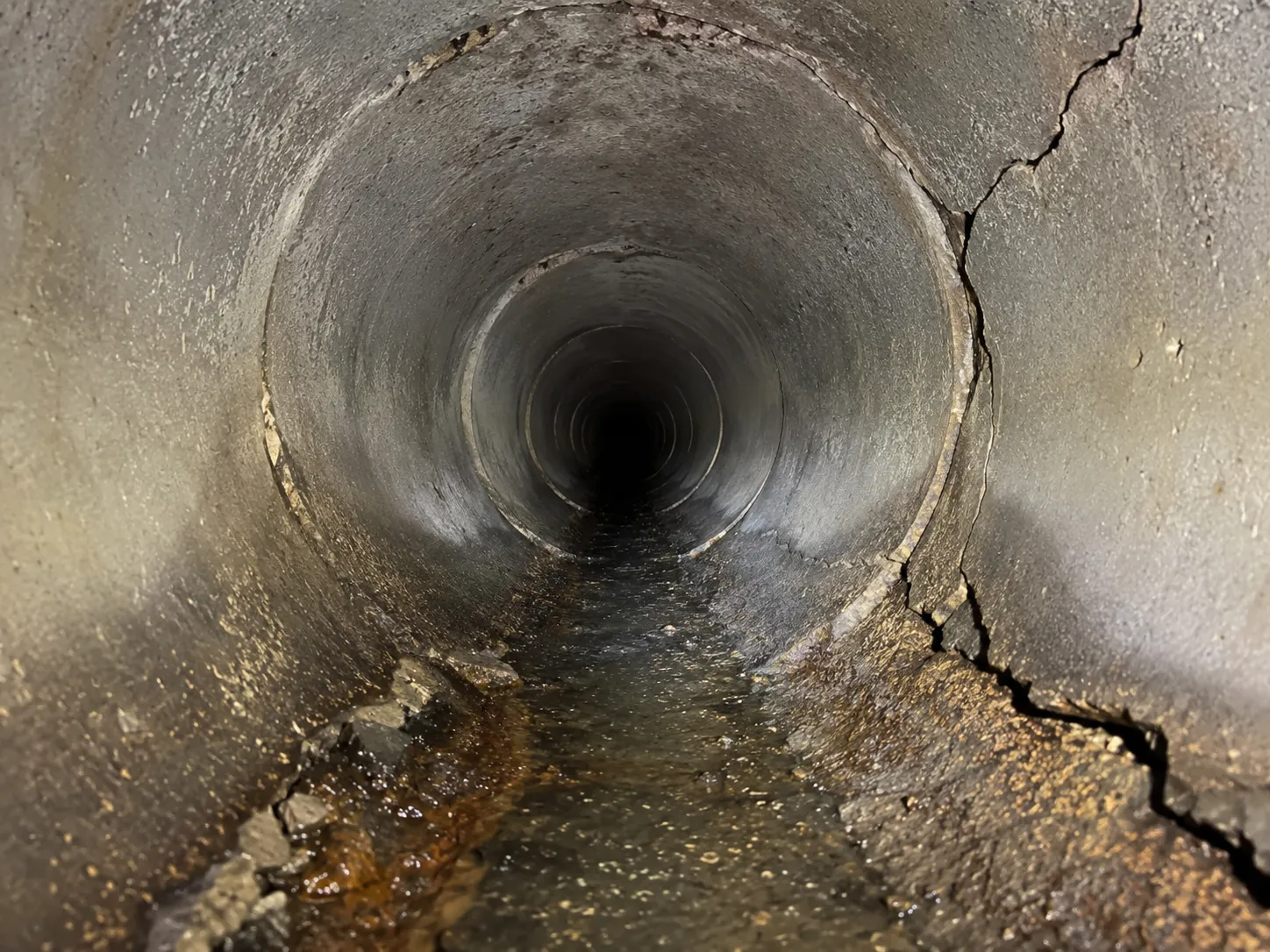
Sewer camera inspection checking a damaged San Diego drain line before pipe relining

Step 1: Camera Inspection and Eligibility Check

A sewer camera is used to locate damage and determine whether the existing pipe can support a liner. We look for cracks, corrosion, root entry, joint problems, offsets, collapsed sections, standing water, and other conditions that affect the repair plan. This inspection helps determine whether relining is appropriate or another sewer line repair method makes more sense.

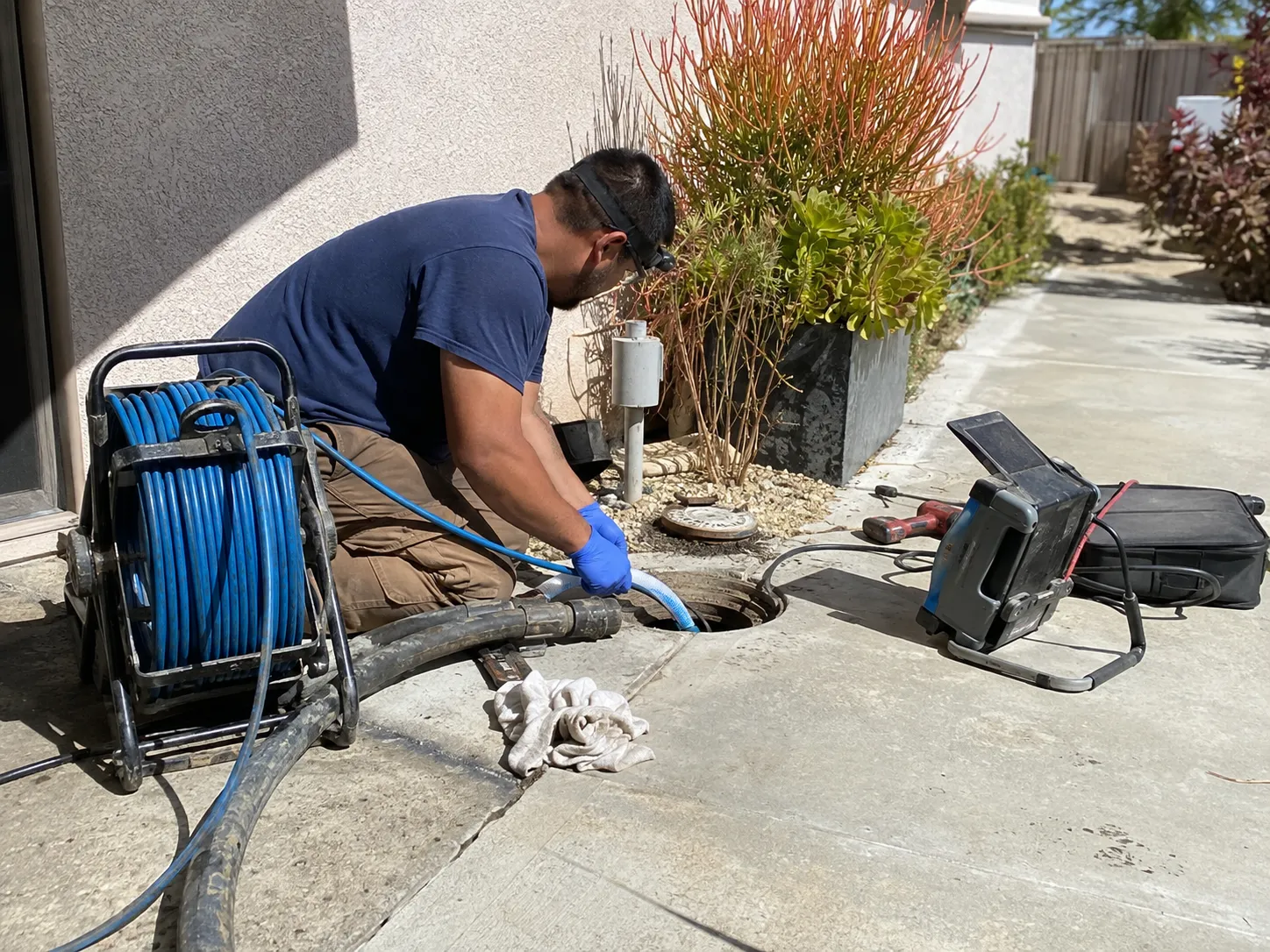
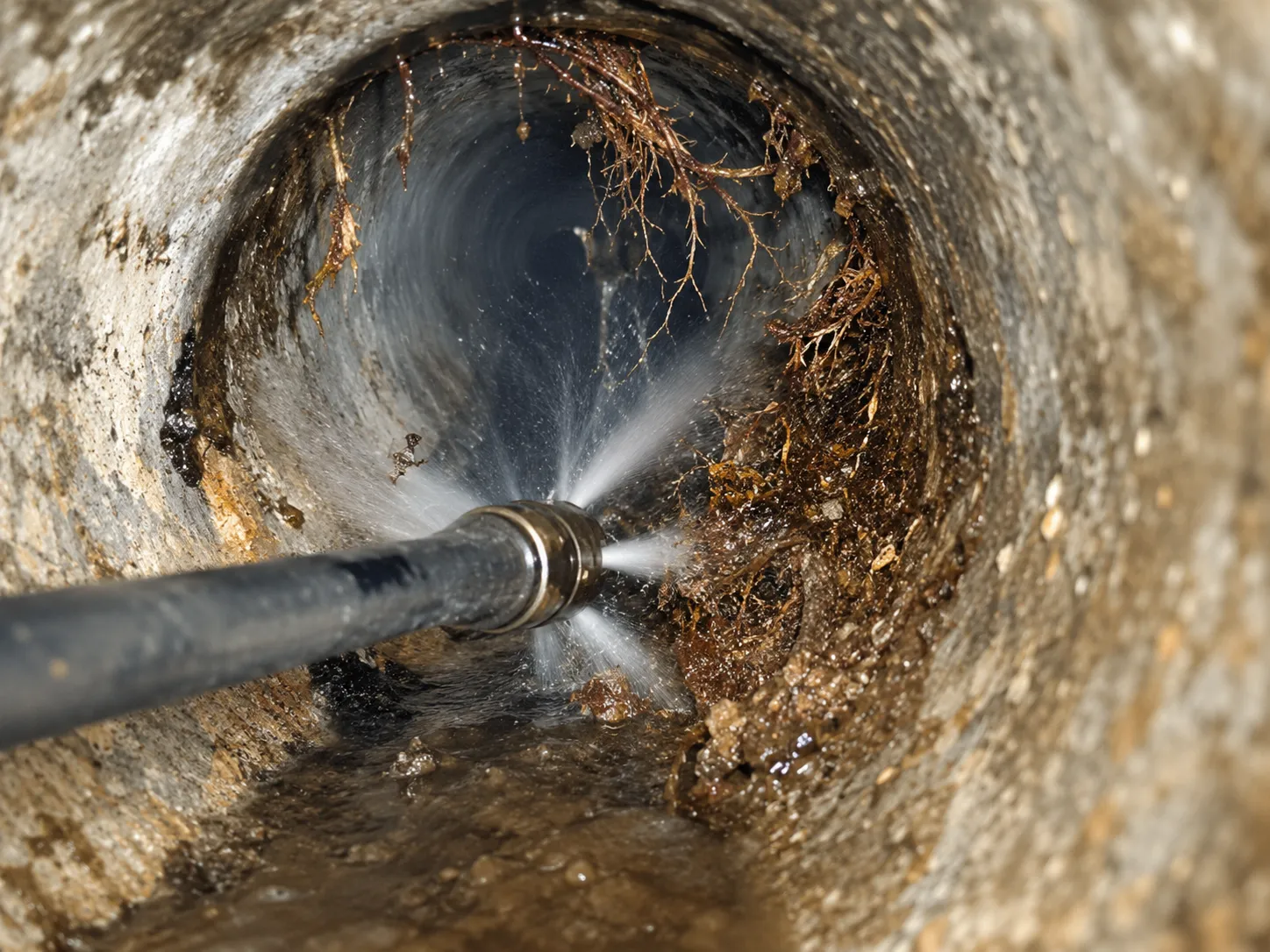
San Diego sewer and drain line being cleaned before trenchless pipe relining

Step 2: Cleaning and Pipe Preparation

Roots, scale, grease, loose corrosion, and other debris have to be removed before the liner is installed. Depending on the condition of the pipe, preparation may involve drain cleaning, descaling, root removal, or hydro jetting. The line is then measured so the liner can be prepared for the correct section of sewer or drain pipe.

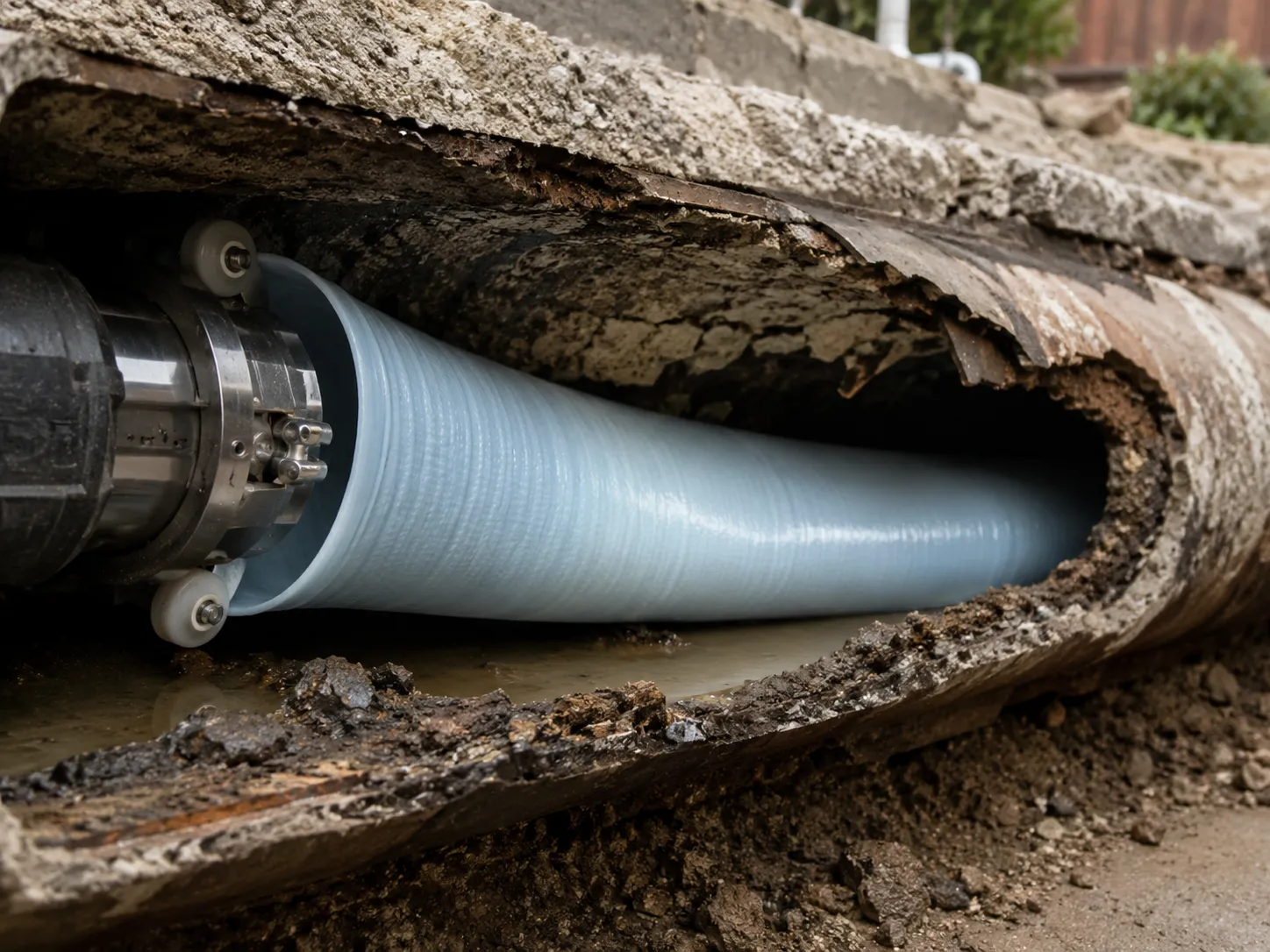
Epoxy liner installation inside a damaged San Diego sewer pipe during trenchless pipe relining

Step 3: Liner Installation and Curing

The prepared liner is inserted through the selected access point and positioned inside the existing pipe. It is held against the interior pipe wall while the resin cures. Once hardened, the liner creates a smooth and continuous new surface through the repaired section of the line.

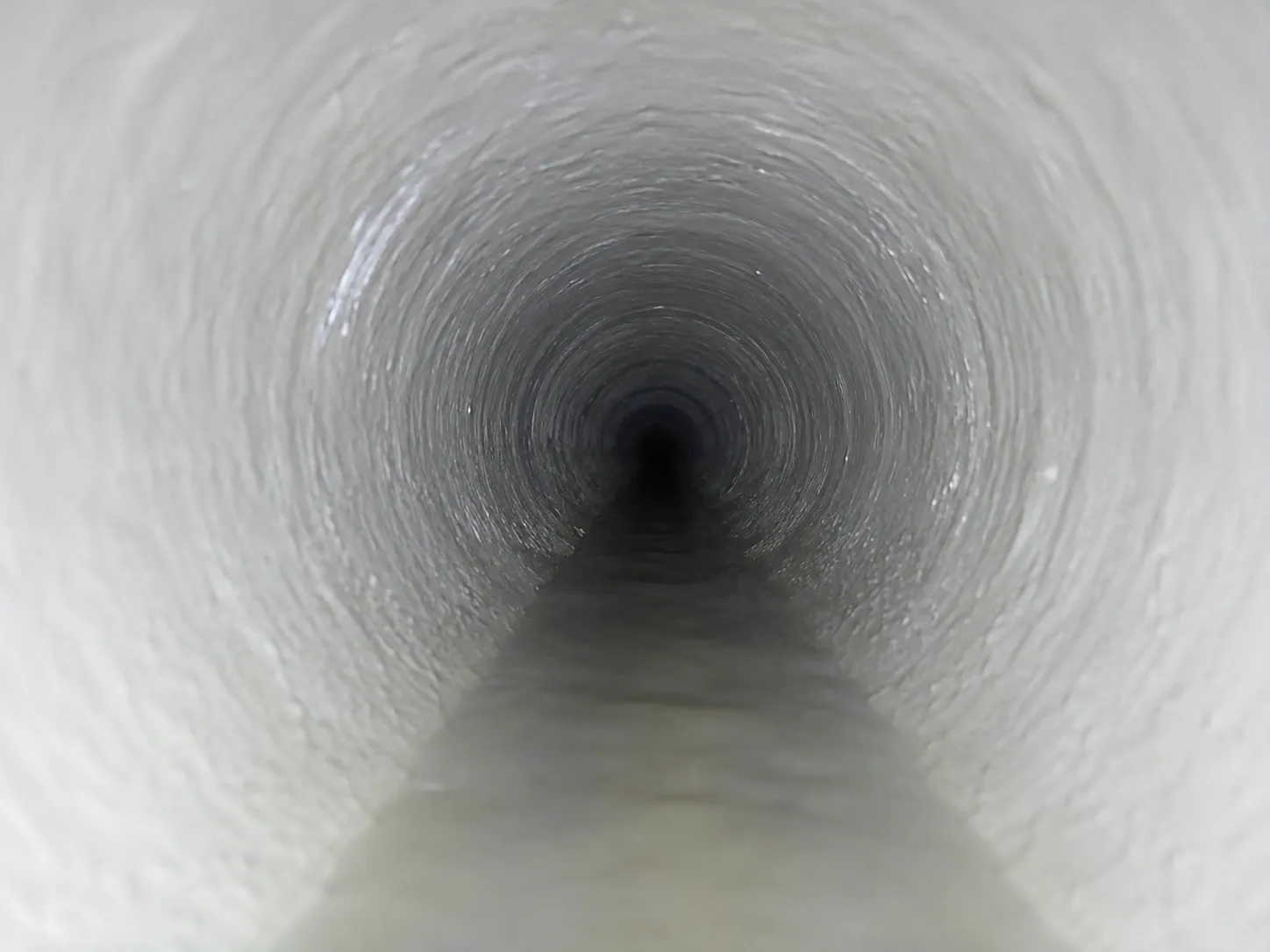
Final sewer camera inspection of a newly relined pipe in San Diego

Step 4: Final Inspection and Return to Service

After the liner has cured, the pipe is inspected again with a camera. The final inspection checks the newly lined section, confirms that the interior is open and continuous, and verifies that the repaired sewer or drain line is ready to return to normal use.

Why Cleaning the Existing Pipe Matters Before Relining

The liner can only perform properly when the old pipe has been prepared correctly. Cast iron lines may have years of scale and corrosion narrowing the interior. Clay sewer lines can contain roots, soil, or debris entering through old joints. Installing a liner over loose buildup would not address the preparation problem and could prevent the liner from sitting correctly against the pipe wall.

Cleaning also gives the camera a better view of the actual sewer pipe. A line that looks severely restricted before cleaning may reveal a repairable host pipe after roots and scale have been removed. The opposite can happen too. Once the obstruction is gone, the inspection may reveal a broken, shifted, or collapsed section that changes the repair recommendation.

This is why drain cleaning and hydro jetting can be part of pipe relining preparation rather than the final repair itself. Cleaning removes the obstruction. Relining repairs qualifying damage in the pipe wall.

Pipe Relining Follows the Existing Sewer Route

A relined pipe remains inside the original pipe, so it follows the same route and slope as the existing sewer or drain line. The liner can cover cracks, worn joints, corrosion, and other interior defects, but it cannot lift a pipe that has developed a significant belly or move a severely offset section back into alignment.

If standing water is being caused by poor grade or a major structural shift, the affected section may need to be exposed and corrected. Camera inspection and locating equipment help determine where that condition is occurring so the repair addresses the real cause of the problem.

A good pipe relining recommendation depends just as much on knowing when not to line a pipe as it does on knowing how to install the liner.

Branch Connections and Access Points Are Part of the Plan

Every plumbing layout is different. A straight residential sewer lateral with a good cleanout is different from a drain system with several branches, turns, or connections. Before relining begins, the route, pipe diameter, branch locations, repair length, and available access points have to be considered so the installation can be planned correctly.

That planning is especially important in apartment buildings, commercial properties, and older homes where plumbing may have been modified several times over the years. A thorough inspection prevents a complicated drain system from being treated like one simple straight pipe.

When Pipe Relining Is a Better Fit Than Traditional Sewer Excavation

Trenchless pipe relining is most useful when the existing sewer or drain line has repairable interior damage and the property owner wants to avoid opening everything above the pipe. It is not automatically better than replacement, but it can remove a large amount of unnecessary demolition when the host pipe is still in suitable condition.

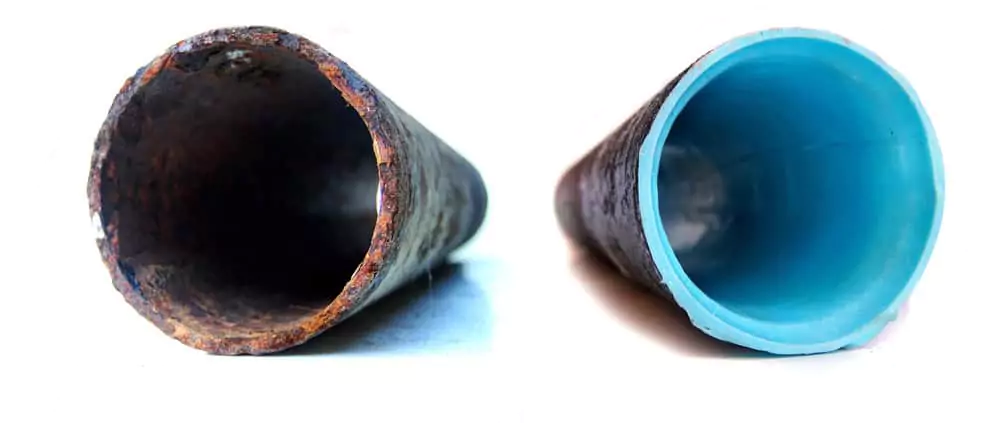
Older cast iron sewer pipe being evaluated for pipe relining in San Diego

Damage That Can Often Be Addressed With Pipe Relining

Relining is commonly considered when a pipe has developed cracks, minor fractures, worn joints, interior corrosion, recurring root intrusion, or rough surfaces that continue to collect debris. Those problems can create recurring drain repair calls even when the line is repeatedly cleared.

An interior liner creates a continuous surface through the repaired section and covers many of the old joints and openings where water or roots were entering. The existing pipe still acts as the host structure, which is why it must remain stable enough to support the new liner.

For qualifying sewer lines, this approach can avoid cutting a long trench through concrete, landscaping, patios, finished floors, or parking areas just to reach the pipe.

When Pipe Relining Is Not the Correct Sewer Line Repair

Some sewer problems need physical correction rather than an interior liner. A pipe that has fully collapsed does not provide a usable structure for relining. Severe joint offsets can restrict the path of the liner. A major belly or incorrect slope can leave wastewater sitting in the line even if the interior surface is repaired. Sections that have separated completely may also require excavation or another replacement method.

Those conditions are why a plumbing company should not quote pipe relining based only on symptoms such as a backup or slow drain. The same symptom can be caused by roots, grease, damaged cast iron, a broken clay joint, a collapsed line, or poor grade. The repair should match what is actually visible inside the pipe.

If relining is not appropriate, our sewer and drain repair services can be evaluated instead. In some cases only one damaged section needs to be exposed. In other cases, a larger portion of the sewer line may need replacement.

Cast Iron Pipe Relining for Older San Diego Plumbing Systems

Cast Iron Corrosion

Older cast iron drain piping can become rough and heavily scaled inside. When enough sound pipe remains after cleaning and descaling, relining can create a new interior surface without removing every section of the original line.

Clay Pipe and Root Intrusion

Clay sewer laterals can develop openings at old joints where roots repeatedly enter. When the line is still stable, a continuous liner can cover qualifying cracks and joints after roots and debris have been removed.

Inspection Before Recommendation

The age or material of a sewer line is not enough to determine the repair. Camera footage, pipe condition, alignment, access, and the location of damage all help determine whether trenchless relining is a suitable option.

Pipe Relining Versus Full Sewer Line Replacement

Pipe Relining

Relining uses the existing pipe as the route and host structure for a new interior liner. It is generally considered when the line is still structurally usable and preserving the surface above the sewer is important.

The main advantage is reduced excavation. The limitation is that a liner cannot correct every grading, alignment, or structural problem outside the interior wall of the pipe.

Sewer Line Replacement

Replacement removes or bypasses a pipe that can no longer be reliably repaired in place. It may be necessary for collapse, major separation, incorrect slope, severe deformation, or extensive structural failure.

Excavation can be more disruptive, but it allows the damaged pipe, surrounding conditions, and grade to be physically corrected when relining cannot solve the problem.

Residential Pipe Relining

Homeowners often begin looking into pipe relining after dealing with the same main sewer problem more than once. A camera inspection may show roots entering an old joint, corrosion inside a cast iron line, or a crack beneath a driveway or finished area. When that damage qualifies for trenchless repair, relining can address the pipe without turning the yard or hardscape into a large excavation site.

The method can also be useful when a sewer lateral passes below improvements that were added long after the original plumbing was installed. Patios, room additions, garages, landscaping, and concrete can make access more complicated than the original sewer installation was.

Commercial and Multi-Unit Drain Relining

Commercial buildings and multi-unit properties have another concern: access and downtime can affect tenants, customers, employees, and normal building operations. Pipe relining may reduce the amount of demolition required for qualifying drain lines beneath floors, courtyards, walkways, kitchens, or parking areas.

Commercial drain and sewer services still begin with inspection and planning. Pipe size, branch connections, use of the building, access points, and the condition of the host pipe all affect whether relining is practical. A repair plan for an apartment building or restaurant should not be treated the same as a simple residential sewer lateral.

Pipe Relining Across San Diego County

California Plumbing provides pipe relining and related drain and sewer services throughout San Diego County. Plumbing conditions can vary considerably from one property to another, so the recommendation is based on the actual pipe rather than a one-size-fits-all repair. A newer home with a damaged plastic sewer line presents a different situation from an older property with cast iron drains or a clay lateral that has been exposed to roots for decades.

San Diego Pipe Relining

Properties throughout San Diego can have sewer lines running under driveways, garages, patios, landscaped yards, and finished building areas. In neighborhoods such as North Park, Hillcrest, Mission Valley, and other established parts of the city, avoiding unnecessary excavation can be an important part of the repair decision.

When the pipe is a good candidate, trenchless relining allows the damaged section to be rehabilitated from within the existing sewer route. If the camera shows collapse, severe offset, a significant belly, or another problem a liner cannot correct, we can explain why a different sewer line repair is needed.

Pipe Relining in Chula Vista and South County

We also evaluate sewer and drain lines for pipe relining in Chula Vista and surrounding South County communities. Root intrusion, damaged joints, interior corrosion, and repeated main-line stoppages are all reasons a property owner may move from routine drain cleaning to a more permanent repair evaluation.

Trenchless pipe relining equipment at a San Diego County residential property

Pipe Relining in Oceanside and North County

North County properties can face the same sewer problems as homes farther south, including aging drain materials, root intrusion, cracked pipe, corrosion, and recurring main sewer backups. For property owners searching for pipe relining in Oceanside, the first question is still whether the existing line has enough structural integrity to accept a liner.

A camera inspection shows whether the problem is limited to repairable pipe-wall damage or whether the line has a structural condition that requires a different approach. That distinction is important because trenchless repair should be used where it actually solves the problem, not simply because avoiding excavation sounds more convenient.

What to Expect During a Pipe Relining Evaluation

Inspect the Line

Video inspection helps locate the problem and identify the condition of the host pipe. Previous repair history can be helpful, but the current condition still needs to be verified before a relining recommendation is made.

Clean and Prepare if Needed

If roots, scale, or debris prevent a clear view, the line may need cleaning before a final recommendation can be made. Proper preparation also helps determine whether the underlying pipe is actually suitable for relining.

Review the Repair Options

Once the line is visible, we can discuss whether pipe relining is appropriate or whether the sewer needs spot repair, replacement, or another solution. The recommendation should be tied directly to what the inspection shows.

Questions Worth Asking Before Approving Sewer Pipe Relining

Ask which section of pipe is being relined, what damage was found, how the line will be prepared, where access will be made, and whether any portion of the sewer is not suitable for lining. It is also useful to ask how branch connections will be handled and what final inspection will be performed after the liner cures.

Those details matter more than simply being told that a sewer line is old. Age can help explain why a pipe is deteriorating, but the repair should be based on the current condition and layout of the plumbing system.

Property owners should be able to understand what was found inside the sewer line and why a particular repair is being recommended. Camera footage makes a hidden underground problem much easier to see and discuss.

Drain and Sewer Services That Work Together With Pipe Relining

Pipe relining does not exist by itself. Many relining projects begin because another drain or sewer service uncovers a deeper problem. A recurring clog may lead to a camera inspection. Heavy buildup may require hydro jetting before the line can be evaluated. A damaged section that cannot be lined may require conventional sewer repair instead.

Drain Cleaning

Drain cleaning restores flow when a blockage is restricting the line. If the same blockage returns repeatedly, camera inspection can help determine whether damaged pipe, roots, or rough interior surfaces are contributing to the problem.

Learn more about drain cleaning in San Diego.

Hydro Jetting

Hydro jetting can remove grease, sludge, scale, and other buildup from qualifying drain and sewer lines. It can also be an important preparation step when a pipe needs to be cleaned thoroughly before relining.

Learn more about hydro jetting.

Sewer Line Repair

If the inspection shows a collapsed section, severe offset, significant belly, or another condition that cannot be corrected with an interior liner, a different sewer line repair method may be necessary.

Learn more about sewer and drain repair.

Schedule a Pipe Relining Inspection in San Diego County

If your sewer line keeps backing up, roots have been found during cleaning, or another plumbing company has recommended digging up the line, a camera inspection can help determine whether trenchless pipe relining is an option. California Plumbing provides pipe relining, drain repair services, sewer line repair, hydro jetting, and related plumbing services throughout San Diego County.

Call (619) 787-3443 to speak with our team or use our online scheduling form to request service. We can inspect the sewer or drain line, explain what the camera shows, and help determine whether relining or another repair method fits the condition of the pipe.

Frequently Asked Questions

Pipe relining repairs a qualifying sewer or drain line from inside the existing pipe. The line is inspected and cleaned, then a resin-saturated liner is installed and cured against the interior wall. After curing, the liner creates a new continuous surface through the repaired section without requiring the entire original pipe to be excavated and removed.

Cured-in-place pipe, often shortened to CIPP, is a common form of pipe relining. A flexible liner containing resin is positioned inside the existing pipe and cured until it forms a hardened interior pipe wall. The exact liner material and curing process can vary depending on the system being used and the conditions of the job.

Many cast iron sewer and drain lines can be relined if enough sound pipe remains to support the liner. The line usually needs thorough cleaning or descaling first because corrosion and loose scale can build up inside older cast iron. If the pipe wall is severely deteriorated, deformed, or missing in important areas, replacement may be more appropriate.

Relining can cover qualifying cracks and joints where roots have been entering the pipe. The existing roots first have to be removed and the sewer line cleaned. Once the liner is installed, it creates a continuous interior surface through the repaired section. Severe root damage, major joint displacement, or a collapsed pipe can still require another form of sewer repair.

The pipe has to be clean before it is relined, but the cleaning method depends on what is inside the line. Hydro jetting may be used for certain buildup, while roots or heavy cast iron scale can require different preparation. The goal is to remove obstructions and loose material so the pipe can be inspected, measured, and lined properly.

A fully collapsed line, severe joint displacement, major deformation, large missing sections, or other conditions that prevent a liner from passing through and curing correctly can make relining unsuitable. The existing pipe needs enough stability to act as the host for the liner. Camera inspection is used to identify those limitations before work begins.

No. Relining follows the route and slope of the existing pipe, so it does not lift a low section or correct significant grade problems. If a sewer belly is causing wastewater to remain in the line, the affected section may need to be excavated and reset so the slope itself can be corrected.

The liner reduces the inside diameter by a small amount because it is installed within the existing pipe. At the same time, the cured liner creates a smooth interior surface. Whether a particular line is suitable for relining depends on its diameter, use, existing condition, and the liner system being installed.

The schedule depends on the length and condition of the line, how much cleaning is required, access, the liner being used, and curing requirements. A straightforward relining job can require much less disruption than excavating and replacing an entire sewer route, but an inspection is needed before an accurate project timeline can be given.

Yes, some commercial and multi-unit drain lines are good candidates for relining. Pipe diameter, branch connections, access points, the condition of the host pipe, and the way the building uses the drain system all have to be evaluated. Relining can be particularly useful where excavation would interfere with floors, walkways, parking areas, tenants, or business operations.

Pipe relining installs a new interior liner while leaving the existing host pipe in place. Pipe bursting is a replacement method that breaks apart the old pipe while a new pipe is pulled into the same general route. Which method is appropriate depends on pipe condition, access, diameter, layout, and whether the existing pipe can still support a liner.

Start with a sewer camera inspection. The line may also need cleaning if roots, scale, or debris prevent a clear view. Once the pipe can be inspected properly, the plumber can evaluate its structure, alignment, material, access points, and location of the damage to determine whether pipe relining or another sewer line repair is the better option.

CONTACT US TODAY!

Fill out the form or call us at (619) 787-3443

    Areas We Serve


    Carmel Valley
    College Grove
    Coronado
    Del Cerro
    Tierrasanta
    Spring Valley
    Scripps Ranch
    Santee
    San Ysidro
    Rancho San Diego
    Rancho Penasquitos
    Rancho Bernardo
    Poway
    East San Diego
    Golden Hills
    Imperial Beach
    Paradise Valley
    Lemon Grove
    Logan Heights
    Morena
    Lakeside