San Diego - Chula Vista - Oceanside
Call Now:  (619) 787-3443 Open Now

Sewer and Drain Repair in San Diego for Damaged and Failing Pipes


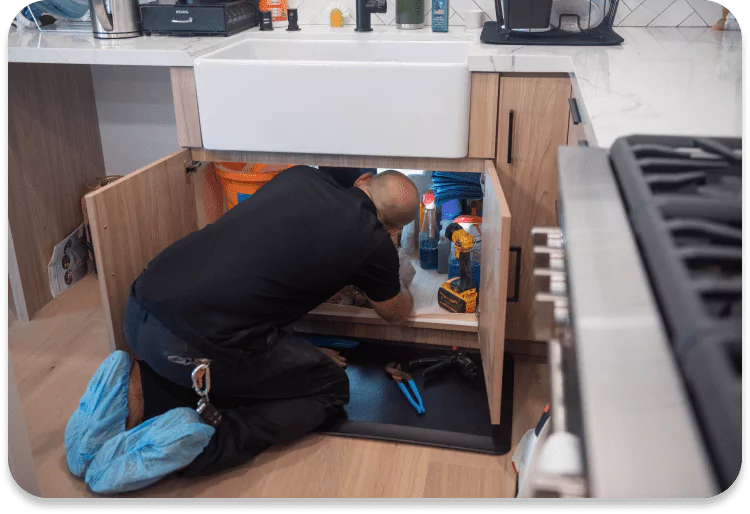
San Diego plumber inspecting a residential sewer and drain line for repair

Sewer and Drain Repair in San Diego When Cleaning Alone Will Not Fix the Problem

A clogged drain and a damaged drain pipe can create similar symptoms, but they require different solutions. Grease, hair, paper, roots, and other material can restrict flow without the pipe itself needing repair. Cracks, separated joints, corrosion, collapsed sections, recurring root entry, and other structural defects are different. Clearing the blockage may restore drainage temporarily, but it does not correct the damaged section that allowed the problem to develop.

At California Plumbing, our sewer and drain repair services in San Diego start by determining which type of problem is actually present. Depending on the symptoms and accessibility of the line, that may involve fixture testing, professional drain cleaning, sewer camera inspection, or other diagnostic work before a repair method is recommended. This helps separate a line that simply needs to be cleaned from a sewer or drain that has a physical defect.

Drain Repair Should Address the Condition of the Pipe, Not Just the Backup

Recurring clogs are one reason a drain plumber may look farther into the system. If the same line has been cleaned several times and continues to back up, there may be an underlying condition that catches debris or allows roots to return. A camera inspection can help determine whether the line has a crack, displaced joint, heavy corrosion, deformation, root intrusion, or another issue that changes the appropriate repair.

If a line is structurally sound and the main problem is accumulated material, professional drain cleaning or hydro jetting may be all that is needed. When inspection shows an actual defect in the sewer or drain pipe, the repair can then be planned around the location, material, severity, and accessibility of that damage.

Common Pipe Conditions That Can Lead to Sewer or Drain Repair

Cracked or Separated Pipe

Cracks and loose or displaced joints can allow soil, moisture, or roots to interact with the sewer line. The location and extent of the defect help determine whether a localized repair, pipe relining, or a larger replacement is appropriate.

Root Intrusion That Keeps Returning

Roots can enter through an existing opening such as a crack or failed joint. Cutting the roots can restore flow, but repeated growth at the same location can indicate that the opening in the sewer line itself needs to be repaired.

Corrosion, Deformation, or Collapse

Older or damaged piping can lose usable interior space as the material deteriorates. More severe structural failure can restrict flow or prevent cleaning equipment from passing normally. The repair method depends on how much sound pipe remains and whether the damaged area can still support a trenchless solution.

Drain Cleaning and Drain Repair Solve Different Problems

A drain cleaning service removes material from inside the plumbing. Drain repair corrects a defect in the pipe. That distinction is important because a sewer line can contain both problems at the same time. Roots may need to be cut and flushed before the damaged joint they entered through can be inspected clearly. Heavy buildup may need to be removed before the camera has a useful view of the pipe wall.

For a first-time blockage in an otherwise usable line, cleaning may resolve the entire problem. When backups return from the same section, the inspection history becomes more important. Repeated cleaning can restore flow each time without changing the condition that keeps causing the restriction.

Sewer Camera Inspection Helps Define the Actual Repair Area

Video inspection allows a plumber to examine accessible portions of a sewer or drain from inside the line. The camera can help identify where a defect is located, whether damage appears isolated or extends through a longer section, and whether the pipe remains open enough for a trenchless repair method.

That information matters when comparing a sectional drain repair with pipe relining or a larger sewer line replacement. It also helps avoid treating every recurring backup as evidence that an entire sewer line has failed. When the problem is limited to one section, the repair can be evaluated around that section rather than assuming the whole system needs replacement.
How We Diagnose and Repair a Damaged Sewer or Drain Line

A sewer repair should begin with enough information to understand what is wrong with the pipe and where the problem is located. Some lines need to be cleaned before they can be inspected clearly. Others already have enough flow for a camera to identify the damaged section. The process changes with the condition of the system, but the basic goal is to make the repair decision from evidence rather than from the symptoms alone.

Step 1: Locate the Problem

We start with the symptoms, affected fixtures, cleanout access, and history of the line. A sewer camera can then help identify cracks, roots, separated joints, corrosion, standing water, deformation, or other visible conditions that may explain repeated backups.

Step 2: Clear the Line if Inspection Requires It

Heavy grease, roots, scale, sludge, or a major blockage can prevent a useful view of the pipe. When necessary, the line is cleaned so the condition of the pipe wall can be evaluated more accurately. Cleaning may also show that no structural repair is needed.

Step 3: Match the Repair to the Damage

A short damaged section may be approached differently from deterioration extending through a longer run. Depending on the line, the options can include a localized repair, trenchless pipe relining, pipe bursting, or conventional replacement where excavation is the more appropriate method.

Step 4: Verify Flow and the Repaired Section

After repair work is completed, the system should be tested before being considered finished. Depending on the repair, that can include running water through the line and performing a follow-up camera inspection to confirm the repaired area and surrounding pipe are functioning as expected.

San Diego plumber using a sewer camera to inspect a residential drain line before repair

Why Repeated Sewer Backups Can Point to a Pipe Repair Problem

A main sewer can be cleared successfully and still clog again later if the interior condition of the pipe continues catching material. Roots at an open joint, a rough deteriorated section, or a displaced connection can repeatedly create a place for paper and debris to collect.

The timing between backups can be useful information. A line that remains clear for years after cleaning has a different history from one that needs service every few months. When the same problem returns in the same section, inspecting that section helps determine whether another cleaning is reasonable or whether the sewer line itself should be repaired.

That distinction is particularly useful for homeowners comparing drain repair services in San Diego because it keeps routine cleaning, structural sewer repair, and larger replacement work from being treated as interchangeable services.

Root Intrusion Usually Indicates an Opening Somewhere in the Sewer Pipe

Roots need access to enter a sewer. They can grow through cracks, deteriorated seals, separated joints, or other openings that expose moisture. Removing the root mass may be necessary to restore flow, but the location where the roots entered still matters after the line is clear.

A sewer camera can help identify whether root growth is concentrated at one joint or appears in several areas. If a repair can close the point of entry while preserving usable surrounding pipe, that may be preferable to repeatedly cutting the same roots without addressing the opening.

Standing Water Inside a Sewer Line Can Require Additional Evaluation

A sewer camera may sometimes show standing water in a section of pipe even after a blockage has been cleared. There can be several reasons for this, including the way the pipe is installed, movement in the surrounding soil, deformation, or another condition affecting normal gravity flow.

Not every section of standing water automatically means the entire sewer needs replacement. The amount, location, symptoms, accessibility, and overall condition of the line all matter when determining whether repair is warranted.

Sewer and Drain Repair Options Based on the Condition of the Pipe

There is no single repair method that fits every damaged drain or sewer line. The appropriate option depends on the type of defect, length of damaged pipe, existing pipe material, accessibility, surrounding property, and whether the existing line still has enough structural integrity for a trenchless repair.

Localized Drain or Sewer Repair

When damage is limited to an accessible section, replacing or repairing that specific area may make more sense than rehabilitating an entire run. The inspection helps determine whether the surrounding pipe is in usable condition before a sectional repair is chosen.

Trenchless Pipe Relining

Pipe relining rehabilitates qualifying damaged pipe from inside the existing line. It can be considered for certain cracks, corrosion, root-entry points, and other defects when the host pipe remains suitable for lining.

Pipe Bursting or Line Replacement

When an existing sewer is too deteriorated for lining or needs to be replaced along a longer run, pipe bursting may be considered where site conditions allow it. Other lines may require conventional replacement based on access and the nature of the damage.

Conventional Excavation

Trenchless repair is not appropriate for every sewer. A severely collapsed line, inaccessible obstruction, configuration issue, or other site condition can make excavation the more practical repair method. The inspection helps define where excavation is actually needed.

When Pipe Relining Can Reduce the Amount of Excavation Required

Traditional sewer replacement reaches the pipe from outside, which can require access through soil, concrete, landscaping, or other surfaces above the line. Pipe relining works differently by installing a new liner within a qualifying existing pipe. Because the repair is performed primarily from inside the sewer, it can reduce the amount of surface access required for suitable projects.

The existing sewer still has to meet the requirements for lining. A pipe that has completely collapsed or lost the shape needed to accept a liner may require another method. Camera inspection, cleaning, and an evaluation of the host pipe are therefore important before deciding that trenchless sewer repair is the correct option.

Repairing a Sewer Line Without Treating Every Problem as a Full Replacement

One of the most useful parts of a sewer camera inspection is seeing how much of the pipe is actually affected. A defect at one joint is different from corrosion extending through a long section, and both are different from a complete collapse.

Where practical, the repair can be limited to the area that needs it. In other situations, damage throughout the line can make a longer rehabilitation or replacement more sensible. This is why sewer line repair in San Diego should be based on the pipe condition rather than only on how severe the backup felt inside the house.

For property owners comparing repair options, we can explain what was found, which portion of the line is involved, and why one repair approach makes more sense than another for that particular sewer.

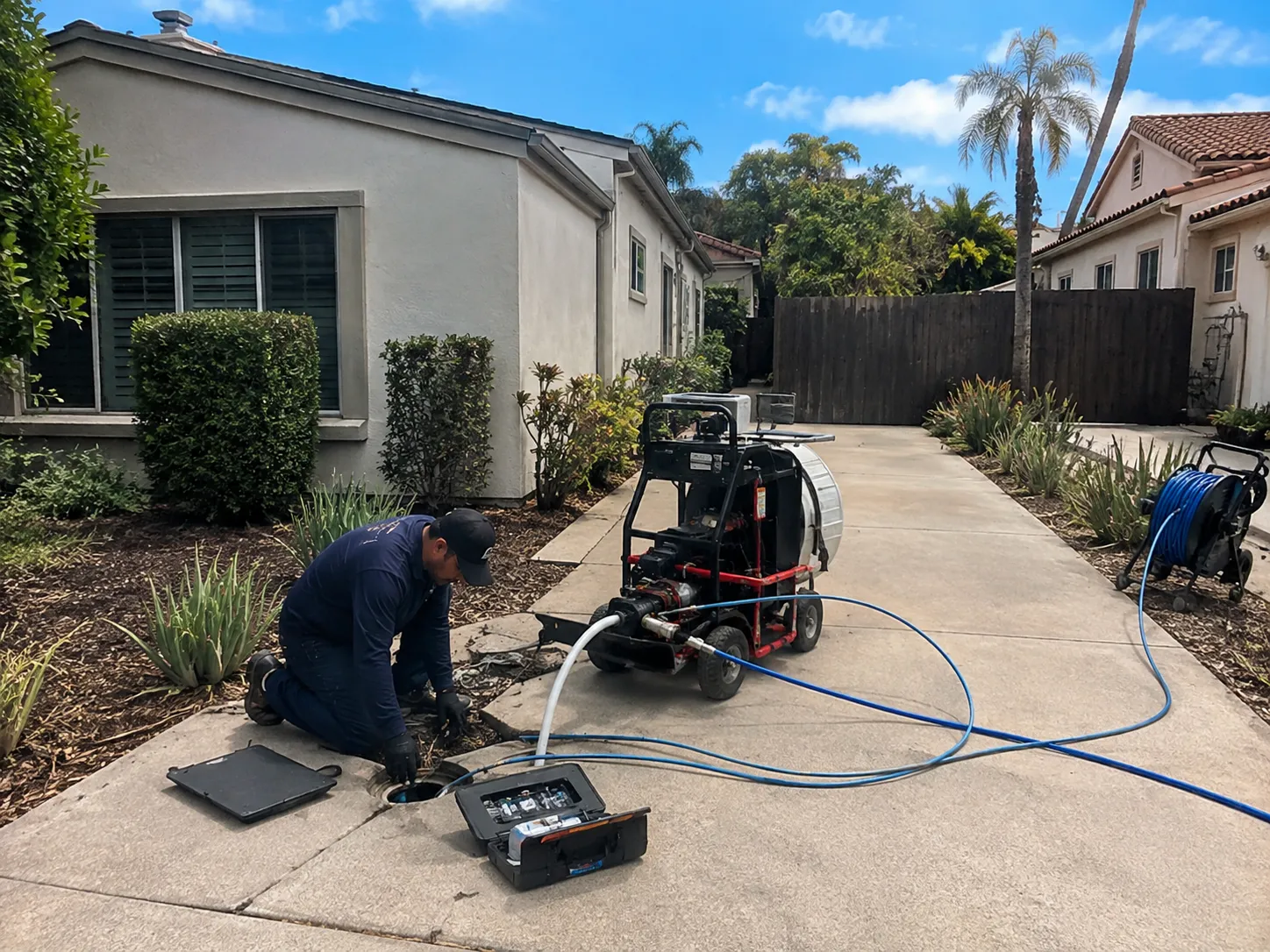
San Diego plumber preparing trenchless sewer line repair equipment at a residential cleanout

Older Sewer Materials Can Develop Different Types of Problems

Established San Diego County properties can contain sewer and drain materials installed during different eras or replaced in sections over time. A single property may even have more than one pipe material between the building and the public connection.

Older clay lines can develop issues at joints or damaged sections. Cast iron can become rough or deteriorated internally as it ages. Other piping can be affected by movement, poor connections, deformation, or previous repairs. Identifying the material and visible condition helps narrow down which drain repair method is realistic.

Drain Repair for Branch Lines Inside or Near the Building

Not every drain repair involves the main sewer running through the yard. Branch piping serving kitchens, bathrooms, laundry areas, floor drains, or other fixtures can also crack, separate, corrode, or develop installation-related problems.

The symptoms can look like a standard clog at first. If cleaning does not restore reliable drainage or the same branch keeps failing, the line can be evaluated to determine whether a damaged fitting, pipe section, connection, or slope issue is contributing to the problem.

Sewer Repair After Root Removal

Root removal and sewer repair are related but separate parts of the problem. Cutting or jetting roots restores space inside the line. Repairing the crack or joint where the roots entered addresses the opening in the pipe.

If roots repeatedly return to the same location, simply removing them again may continue the same maintenance cycle. When the line is otherwise a suitable candidate, a sectional repair or trenchless rehabilitation can be evaluated as a way to correct the damaged area itself.

Drain and Sewer Repair Services Throughout San Diego County

California Plumbing provides drain and sewer services for residential, commercial, rental, HOA, and multi-unit properties throughout San Diego County. Repair needs vary by building, pipe material, accessibility, previous plumbing work, and the condition found during inspection. A house with one damaged sewer joint does not need to be approached the same way as a commercial property with a long deteriorated main line.

Our goal is to identify whether the problem is a blockage, structural damage, or a combination of both. That distinction makes it easier to choose between drain cleaning, hydro jetting, localized drain repair, trenchless sewer repair, or replacement.

Sewer and Drain Repair in San Diego

San Diego properties can develop recurring backups, root intrusion, damaged sewer joints, corrosion, cracked drain lines, and other problems that cleaning alone cannot correct. Camera inspection helps determine whether the affected area is isolated or part of a larger deterioration problem.

For qualifying lines, trenchless repair may reduce the amount of excavation required compared with accessing the full pipe from above.

Sewer Line Repair in Chula Vista

Property owners in Chula Vista may need sewer line repair when roots, cracks, separated joints, deterioration, or another structural condition causes recurring drainage trouble.

Inspection helps separate a sewer that needs cleaning from one where the damaged pipe itself should be repaired or rehabilitated.

Sewer Line Repair in Oceanside

For homes and businesses in Oceanside, we evaluate sewer and drain problems based on the visible condition of the pipe, location of the damage, and whether the line remains suitable for a localized or trenchless repair.

Recurring roots, backups, or deteriorated sections can require a different service path than a first-time clog.

Drain Repair for HOAs, Apartments, and Multi-Unit Properties

Shared drainage systems can make it harder to determine whether a problem belongs to one fixture, one unit, a common branch, or a larger building sewer. When several occupants report similar symptoms, identifying the shared portion of the plumbing can narrow down where cleaning or repair should begin.

For apartment buildings and HOAs, repair planning can also involve access, resident scheduling, common areas, landscaping, parking surfaces, or other property considerations. Our HOA and apartment plumbing services can coordinate sewer and drain work with the broader plumbing needs of the property.

Commercial Sewer and Drain Repair

Restaurants, retail properties, offices, mixed-use buildings, and other commercial facilities can have larger or more heavily used drainage systems than a typical residence. Repeated backups can affect restrooms, kitchens, floor drains, or other areas that the business depends on throughout the day.

A commercial drain problem may still be caused entirely by buildup and need cleaning rather than repair. When inspection identifies damaged pipe, the repair can be planned around the affected line and the practical access available at the property.

When Preventative Drain Service Makes Sense After a Repair

Repairing the damaged section corrects a structural problem, but the rest of the drainage system still benefits from appropriate use and maintenance. Properties with grease-heavy waste, mature landscaping near sewer routes, older piping, or a history of blockages may benefit from periodic evaluation instead of waiting for another complete backup.

Maintenance does not mean automatically hydro jetting every line on a fixed schedule. The useful interval depends on how the plumbing is used and what previous inspections have shown. A restaurant waste line can accumulate material differently from the sewer serving a single-family home.

Camera Inspection

Video inspection is useful when symptoms return, when a repaired section needs to be reviewed, or when there is reason to investigate another portion of the sewer before deciding on additional work.

Drain and Sewer Cleaning

Drain cleaning removes restrictions that develop from normal use. When heavy material coats the pipe wall, hydro jetting may be considered after the line condition is evaluated.

Follow-Up After a Repair

If another part of the line begins showing symptoms later, the previous repair and inspection history provide useful context. That makes it easier to determine whether the new problem is related or comes from a separate section.

Signs That a Sewer Problem May Need More Than Cleaning

A single slow fixture is not strong evidence of a broken sewer line. A pattern of repeat problems provides more useful information. Several fixtures backing up together, recurring root removal at the same location, repeated main-line clogs, visible pipe damage on a camera, sewage odors associated with a damaged line, or unusual conditions around the sewer route can justify further inspection.

Even then, diagnosis matters. Symptoms can overlap, and a severe blockage can sometimes look like structural failure until the line is cleared. That is why our sewer and drain repair process separates diagnosis from the repair recommendation.

What Happens if the Sewer Is Completely Collapsed?

A fully collapsed section can prevent normal flow and may prevent equipment from traveling through the line. In that situation, cleaning cannot restore the missing pipe opening. Access to the damaged area or another replacement approach may be needed depending on the sewer layout and property conditions.

This is also one of the situations where trenchless pipe lining may not be possible because relining requires a host pipe capable of receiving the liner. The exact repair should be based on what inspection and site evaluation show.

Related Drain and Sewer Services

Drain Cleaning

When the pipe is structurally usable and the problem is an obstruction, drain cleaning may restore flow without a repair.

Learn more about drain cleaning in San Diego.

Hydro Jetting

Grease, sludge, scale, roots, and other buildup can sometimes require a more thorough cleaning of the pipe interior before repair decisions are made.

Learn more about hydro jetting.

Pipe Relining

Qualifying cracked, corroded, and root-damaged lines may be repaired from inside the existing pipe rather than replaced through a full-length trench.

Learn more about pipe relining in San Diego.

When a Sewer Backup Needs Emergency Plumbing Service

If wastewater is actively backing up into the building, several fixtures are unusable, or continued water use is making the backup worse, the problem can require more immediate attention. Reduce unnecessary water use while service is being arranged so additional wastewater is not sent toward a blocked main line.

Our emergency plumbing service is available for urgent sewer and drain problems that cannot reasonably wait for a normal appointment.

Schedule Sewer or Drain Repair in San Diego County

If the same drain keeps failing, roots repeatedly return, a camera inspection has shown damaged pipe, or you suspect a sewer line needs more than another cleaning, call (619) 787-3443 to speak with our team.

You can also use our online scheduling form to request an inspection. We provide sewer line repair, drain repair, camera-based diagnostics, pipe relining, drain cleaning, hydro jetting, and related drain and sewer services throughout San Diego County.

Frequently Asked Questions

Drain cleaning removes material that is blocking or narrowing a usable pipe. Drain repair addresses damage to the pipe itself. If a clog is cleared and the line continues working normally, repair may not be necessary. Repeated backups, recurring roots, visible cracks, separated joints, corrosion, or another structural defect can indicate that the drain or sewer pipe needs repair rather than another cleaning alone.

Possible signs include repeated main sewer backups, several fixtures experiencing problems together, recurring roots at the same location, sewer odors associated with a damaged line, or defects found during camera inspection. These symptoms can also have other causes, so inspection is important before assuming the sewer needs replacement.

Roots usually enter through an opening such as a crack, loose joint, failed seal, or other damaged area. Cutting the roots can restore flow, but it does not necessarily close the point where they entered. If roots repeatedly return to the same location, camera inspection can help determine whether that section of sewer should be repaired.

A sewer camera allows the plumber to inspect accessible portions of the pipe from inside the line. It can help locate cracks, root intrusion, separated joints, corrosion, deformation, standing water, and other visible conditions. The location and extent of the damage help determine whether a localized repair, pipe relining, or larger replacement should be considered.

Some sewer lines can be repaired with trenchless methods such as pipe relining or pipe bursting, which can reduce the amount of surface excavation required. Suitability depends on the existing pipe condition, type of damage, configuration, access, and repair method. A severely collapsed line or another difficult condition may still require conventional excavation.

Pipe relining can be considered when the existing sewer has defects such as certain cracks, corrosion, or root-entry points but still retains enough structure to accept a liner. The host pipe generally needs to be cleaned and evaluated before lining. A completely collapsed or severely deformed line may require a different repair method.

No. Recurring clogs can also be caused by grease, scale, repeated improper material entering the line, or other buildup. A repair should not be assumed from the symptoms alone. Cleaning and camera inspection can help determine whether the recurring restriction is caused by the condition of the pipe or by material accumulating inside an otherwise usable line.

In some situations, yes. When camera inspection shows that damage is isolated and the surrounding pipe remains usable, a localized or sectional repair may be considered. Damage extending through a longer portion of the sewer may make relining or replacement a more practical option.

A collapsed section can block wastewater flow and may prevent cleaning or camera equipment from passing through the line. Because the pipe opening has physically failed, cleaning alone cannot correct the condition. The repair may require access to the damaged section, replacement, or another method based on the sewer layout and site conditions.

Cost depends on the location and length of the damaged pipe, accessibility, pipe material, severity of the defect, whether cleaning is needed first, and the repair method selected. A small accessible sectional repair is different from rehabilitating or replacing a long sewer line, so inspection is usually needed before the scope and price can be defined accurately.

Yes. California Plumbing provides sewer and drain services throughout San Diego County, including San Diego, Chula Vista, Oceanside, and other communities within the service area. The recommended repair depends on the pipe condition and site rather than the city alone.

Yes. Sewer and drain repair can be performed for residential, commercial, HOA, apartment, and other multi-unit properties. Shared plumbing may require additional diagnosis to determine whether the problem is isolated to one fixture or unit, a common branch, or the main building sewer before repair work is planned.

CONTACT US TODAY!

Fill out the form or call us at (619) 787-3443

    Areas We Serve


    Carmel Valley
    College Grove
    Coronado
    Del Cerro
    Tierrasanta
    Spring Valley
    Scripps Ranch
    Santee
    San Ysidro
    Rancho San Diego
    Rancho Penasquitos
    Rancho Bernardo
    Poway
    East San Diego
    Golden Hills
    Imperial Beach
    Paradise Valley
    Lemon Grove
    Logan Heights
    Morena
    Lakeside